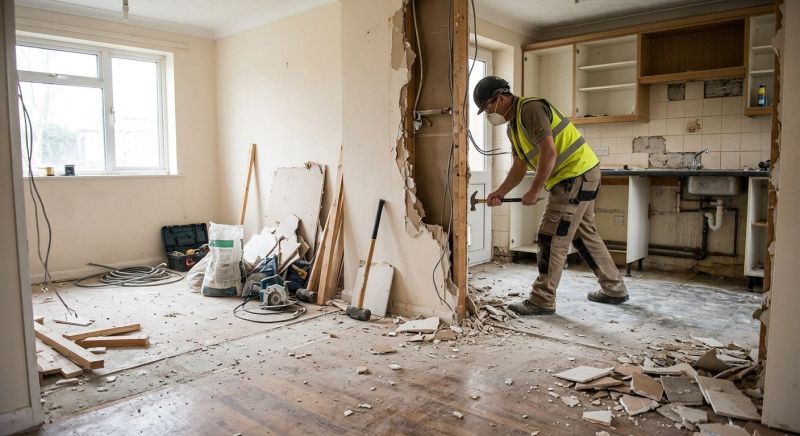
Kitchen Wall Demolition in Bergen County, NJ
Kitchen wall demolition services involve carefully removing existing walls to open up or reconfigure a kitchen space. This type of project typically includes taking down non-load-bearing interior walls, partial wall sections, or decorative features to create a more open layout, improve flow, or accommodate new design ideas. Homeowners often request this service when planning a kitchen renovation, aiming to increase natural light, improve accessibility, or modernize the overall look of the space.
Before requesting kitchen wall demolition, property owners should understand whether the wall is load-bearing or non-load-bearing, as this affects the scope of work and any necessary structural support. It’s also important to consider the presence of electrical wiring, plumbing, or HVAC components within the wall, which may require additional planning and coordination. Proper assessment ensures the demolition process proceeds smoothly and aligns with the overall renovation goals.
Many property owners in Bergen County, NJ look into Kitchen Wall Demolition for repairs, replacements, upgrades, and appearance-related improvements.
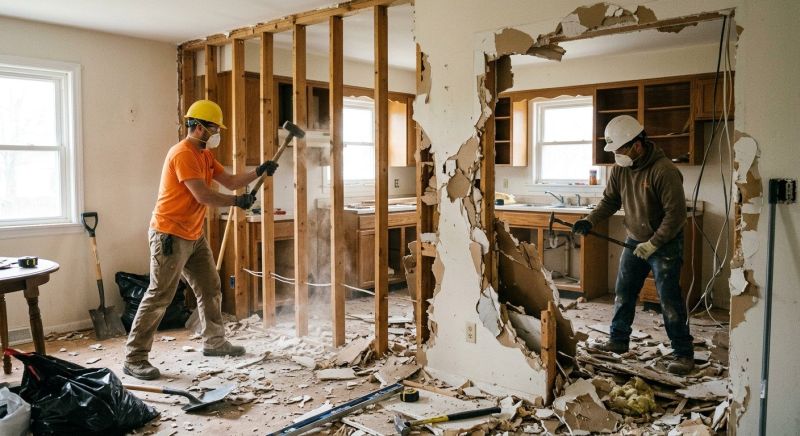
Kitchen Wall Removal Options
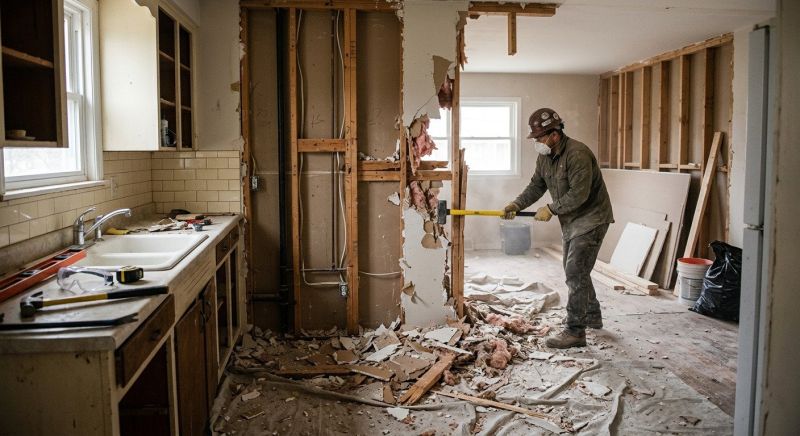
Removing a wall can open up your kitchen for better flow and functionality.
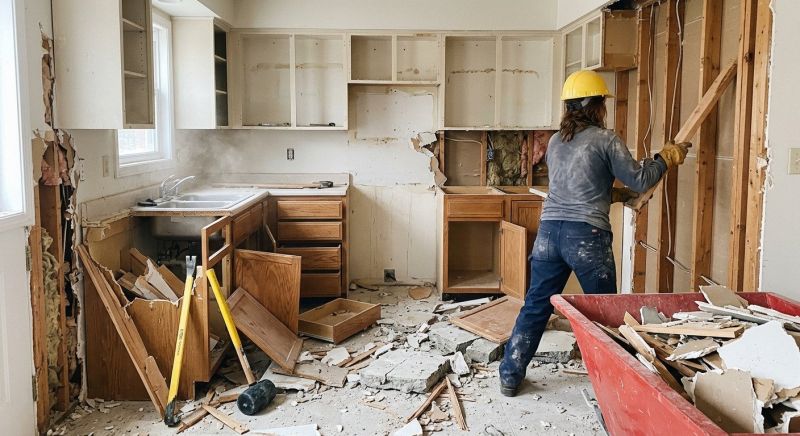
Structural Considerations
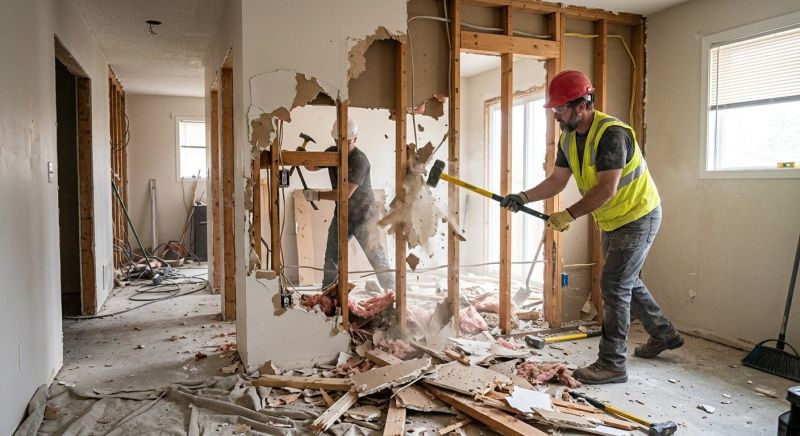
Understanding load-bearing walls is essential for safe and effective demolition projects.
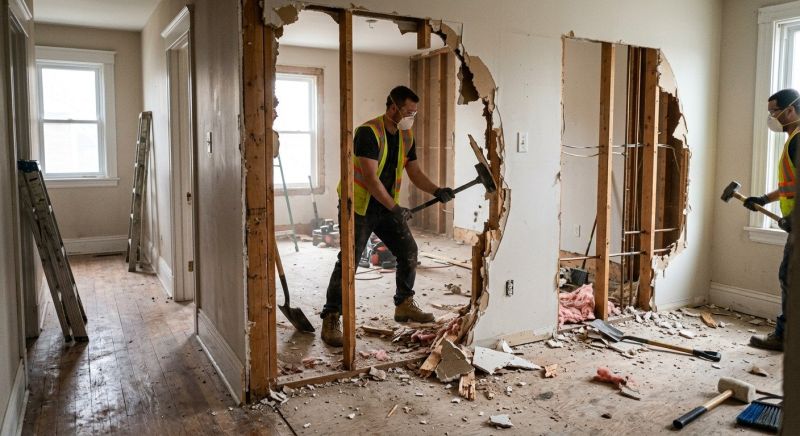
Post-Demolition Restoration
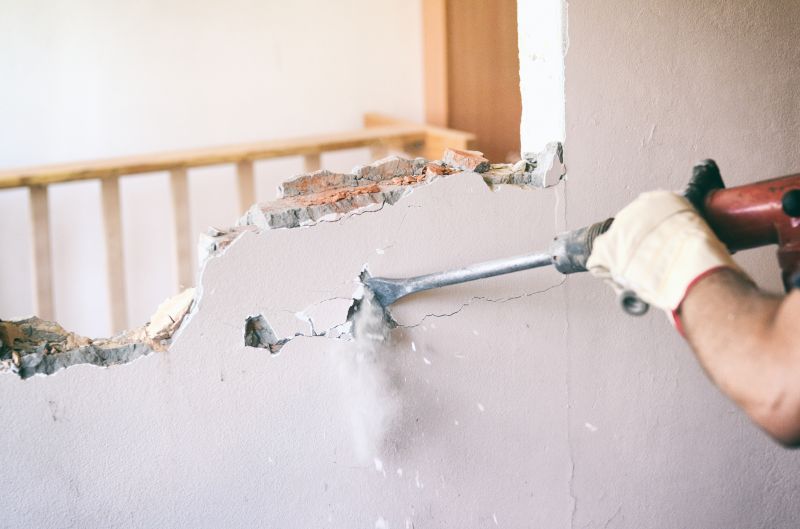
After wall removal, finishing touches like drywall and repainting help complete the transformation.
Kitchen Wall Demolition in Bergen County, NJ

Kitchen wall demolition services involve carefully removing existing walls to open up or reconfigure a kitchen space. This type of project typically includes taking down non-load-bearing interior walls, partial wall sections, or decorative features to create a more open layout, improve flow, or accommodate new design ideas. Homeowners often request this service when planning a kitchen renovation, aiming to increase natural light, improve accessibility, or modernize the overall look of the space.
Before requesting kitchen wall demolition, property owners should understand whether the wall is load-bearing or non-load-bearing, as this affects the scope of work and any necessary structural support. It’s also important to consider the presence of electrical wiring, plumbing, or HVAC components within the wall, which may require additional planning and coordination. Proper assessment ensures the demolition process proceeds smoothly and aligns with the overall renovation goals.
Many property owners in Bergen County, NJ look into Kitchen Wall Demolition for repairs, replacements, upgrades, and appearance-related improvements.
Common Kitchen Wall Demolition Jobs
Kitchen Wall Demolition - removes existing walls to create open-concept kitchen layouts.
Partition Wall Removal - takes down non-load-bearing walls to improve space flow.
Structural Wall Demolition - safely demolishes walls that may require temporary support.
Cabinet and Fixture Removal - clears out built-in cabinets and fixtures before wall removal.
Drywall and Plaster Removal - prepares the area by removing old wall materials for renovation.
Debris Cleanup - ensures all demolition debris is properly cleared after work completion.
Kitchen Wall Demolition Questions
What types of kitchen walls can be demolished? Interior non-load-bearing walls are typically suitable for demolition, including drywall partitions and some paneling.
Is wall demolition disruptive to other areas of the home? Demolition usually affects only the targeted area, with minimal impact on adjacent spaces when properly planned.
What should property owners know before starting kitchen wall demolition? It's important to identify any hidden utilities or wiring within the wall before demolition begins.
Can wall demolition help open up a kitchen layout? Yes, removing walls can create a more spacious and open kitchen environment for better functionality and flow.
Request Kitchen Wall Demolition in Bergen County, NJ
Use the quote form on this page to share the basics of your project and request more information for the type of work you need.